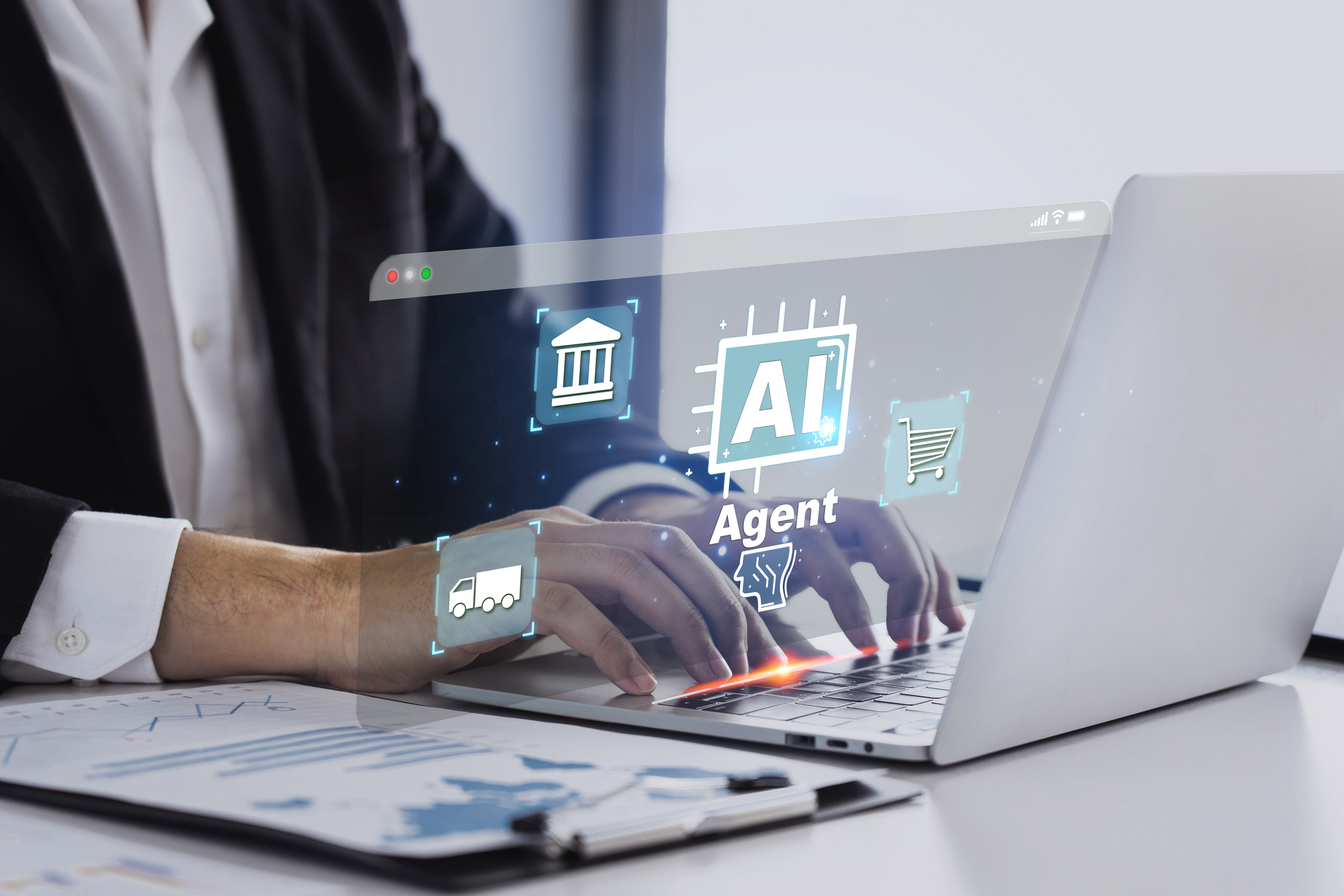
AI redesigned customer service jobs in three months, software development in six months, and legal research in five—while most companies are still running annual workforce planning cycles.
AI isn't eliminating jobs en masse—it's unbundling them, with the routine 40% being automated and the judgment-intensive 60% becoming more valuable than ever.
A quarter of companies rehire for the same positions within a year of layoffs—proof that leaders consistently have no idea what their employees actually do.
Discover how embracing employees' side gigs can drive entrepreneurial creativity and innovation, transforming your organization in times of economic uncertainty.
In economic uncertainty, HR leaders must balance cautious hiring with filling critical roles, using data and strategy to protect the bottom line while fueling the future.
Revolutionize your workforce planning with predictive analytics. Explore a myriad of analytics that can redefine how you approach talent acquisition, succession planning, and more.
Discover how strategic workforce planning can empower leaders to navigate industry disruptions and unleash organizational resilience in the face of uncertainty.
Strategic workforce planning in uncertain times aligns talent to organizational goals, fosters resilience, and transforms uncertainty into opportunity.