By late 2026 one U.S. state will be short the equivalent of one nurse for every 640 residents. Four others will have surpluses. Here’s the map — and what...
Leaders who listen strategically transform organizations, turning dialogue into influence, trust, and innovation in ways that loud authority alone cannot achieve.
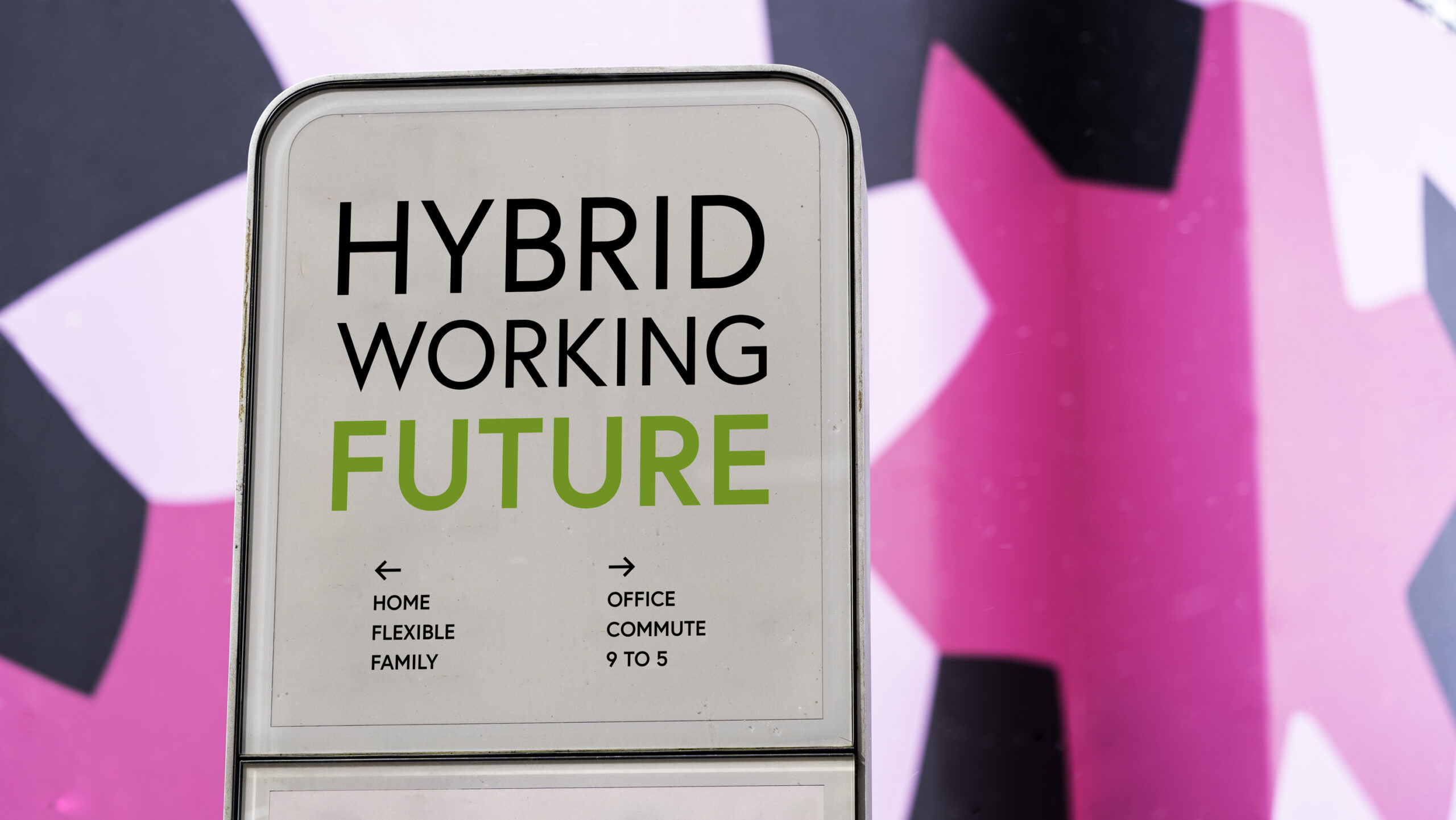
The future of work isn’t remote—it’s reimagined, requiring purpose-driven roles, adaptable teams, intentional culture, and leadership that empowers both humans and technology.
Designing hybrid teams for the unknown requires clarity, intentional communication, empathy, and adaptable processes that balance human connection with technology and outcomes.
While AI and automation may make work increasingly optional, leaders who focus on human creativity, purpose, and engagement will ensure their organizations thrive in the evolving landscape.
The Great Recession revealed that HR’s true power lies not in completing tasks, but in making high-impact decisions that guide organizations through chaos with trust, empathy, and resilience.
True leadership goes beyond engagement by designing work that inspires purpose, fosters autonomy, and cultivates fulfillment—feeding not just the mind, but the soul.