

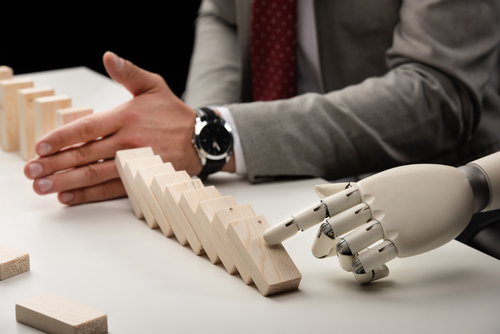
The conversation about the future of work often centers on one question: Will employees work remotely, in-office, or some combination of both? While important, this question misses the bigger picture. The future of work isn’t defined by where we work—it’s defined by how we work, why we work, and what we create together. Remote work was a temporary solution, a response to necessity. The real shift lies in reimagining work entirely—rethinking structures, processes, culture, and leadership to thrive in a world of constant change, complexity, and technological acceleration.
Beyond Remote: Why Location Alone Isn’t the Answer
Remote work brought flexibility, autonomy, and access to wider talent pools. But it also introduced challenges:
- Fragmented communication: Teams struggled to maintain clarity without in-person interactions.
- Erosion of culture: Casual connections and informal mentorships often vanished.
- Blurred boundaries: Work-life balance became harder to manage, with employees feeling “always on.”
Simply asking “where should people work?” is insufficient. The future of work is not about geography—it’s about designing work experiences that maximize impact, engagement, and human potential.
Reimagining Work: Purpose as the North Star
At the heart of reimagined work is purpose. Employees want to know why their work matters—not just to the organization, but to society, customers, and their own personal growth. Leaders must shift focus from output alone to impact and meaning:
- Align roles with organizational mission: Make sure every team member understands how their contribution advances broader goals.
- Encourage autonomy with accountability: Trust employees to manage their own work while holding them responsible for outcomes.
- Embed feedback loops: Regularly check in to ensure work aligns with goals and supports growth.
Purpose-driven work fosters engagement, resilience, and innovation—regardless of whether employees are in the office, at home, or on the go.
Designing Teams for Adaptability
The reimagined workplace values adaptability over rigidity. Traditional hierarchies and fixed processes no longer suffice in a world of rapid technological, economic, and societal shifts. To reimagine work, leaders must design teams that can pivot quickly, collaborate seamlessly, and leverage diverse strengths:
- Cross-functional collaboration: Break down silos and encourage interdisciplinary problem-solving.
- Flexible roles: Allow employees to rotate responsibilities and grow skill sets in multiple areas.
- Agile processes: Implement iterative workflows that allow for experimentation, learning, and course correction.
Teams that can adapt without losing alignment are better positioned to thrive amid uncertainty.
Leveraging Technology as an Enabler, Not a Crutch
Technology is essential—but it’s not a substitute for human insight, judgment, or creativity. The reimagined workplace leverages tech to amplify human capability rather than replace it:
- Collaboration platforms streamline communication and project management.
- AI and automation handle repetitive tasks, freeing humans for higher-value work.
- Analytics provide insight into productivity, engagement, and business trends—but leaders must interpret and act on this data thoughtfully.
Technology should reduce friction and enable creativity, not add complexity or diminish human connection.
Culture by Design
In a reimagined work environment, culture cannot be left to chance. Remote or hybrid models remove organic interactions, making intentional culture-building a priority:
- Shared rituals: Team check-ins, recognition moments, and celebration of achievements create cohesion.
- Transparency and trust: Clear communication and consistent leadership behaviors reinforce values.
- Inclusion and belonging: Ensuring every employee’s voice is heard strengthens engagement and innovation.
Culture is no longer incidental—it is strategically designed and nurtured to sustain high performance, collaboration, and retention.
Leadership Reimagined
Leaders in the reimagined workplace must shift from command-and-control to facilitation and empowerment:
- Focus on outcomes, not activity: Measure impact rather than hours logged.
- Coach, don’t just manage: Support growth, resilience, and skill development.
- Model adaptability and learning: Show vulnerability, embrace feedback, and experiment with new approaches.
- Maintain human connection: Be visible, accessible, and empathetic across all work modalities.
Leadership is less about enforcing schedules and more about creating environments where people and technology thrive together.
Measuring Success Differently
Traditional metrics—attendance, hours worked, or tasks completed—are insufficient in a reimagined workplace. Leaders must focus on outcomes, impact, and engagement:
- Performance by results: Define clear objectives, key results, and deliverables.
- Team health metrics: Track engagement, collaboration, and retention.
- Innovation and learning: Measure contributions to continuous improvement and creative problem-solving.
Measurement should support human-centered outcomes rather than merely reporting activity.
Preparing for the Hybrid Unknown
While remote work was the first wave, the real challenge lies in navigating the hybrid unknown—a fluid mix of locations, schedules, and roles. Leaders can prepare by:
- Designing flexible workflows that accommodate multiple work modes.
- Training managers to lead distributed teams effectively, balancing oversight with autonomy.
- Prioritizing inclusive communication to ensure no team member feels invisible or disconnected.
- Embedding continuous learning to help employees develop new skills and adapt to evolving business needs.
Flexibility, clarity, and empathy are the cornerstones of future-ready teams.
The Human Factor Remains Non-Negotiable
Despite technology, AI, and hybrid structures, the human factor is the ultimate differentiator. Emotional intelligence, creativity, ethical judgment, and relationship-building remain irreplaceable. The reimagined workplace is not about eliminating human input—it’s about elevating it:
- Creativity and innovation: Humans still generate ideas and solve problems in unpredictable ways.
- Connection and culture: Engagement, trust, and collaboration cannot be fully automated.
- Leadership and mentorship: Developing people, fostering careers, and modeling values are inherently human acts.
Organizations that prioritize the human factor while embracing technology and flexibility will thrive where others struggle.
Wrapping It Up: Work Reimagined, Not Remote
The future of work is not a question of location. It’s a call to reimagine how, why, and with whom we work. Remote work was a survival tactic; reimagined work is a strategic advantage. Leaders who embrace this shift will focus on:
- Purpose-driven roles that inspire and engage
- Adaptable teams that collaborate and innovate
- Technology that amplifies human capability
- Culture built intentionally to foster connection and inclusion
- Leadership that empowers, coaches, and models agility
The reimagined workplace positions organizations to thrive amid disruption, attract and retain top talent, and cultivate engagement and innovation. Leaders who understand that work is no longer about a desk or an office, but about impact, creativity, and human connection, will define the future of work.
