

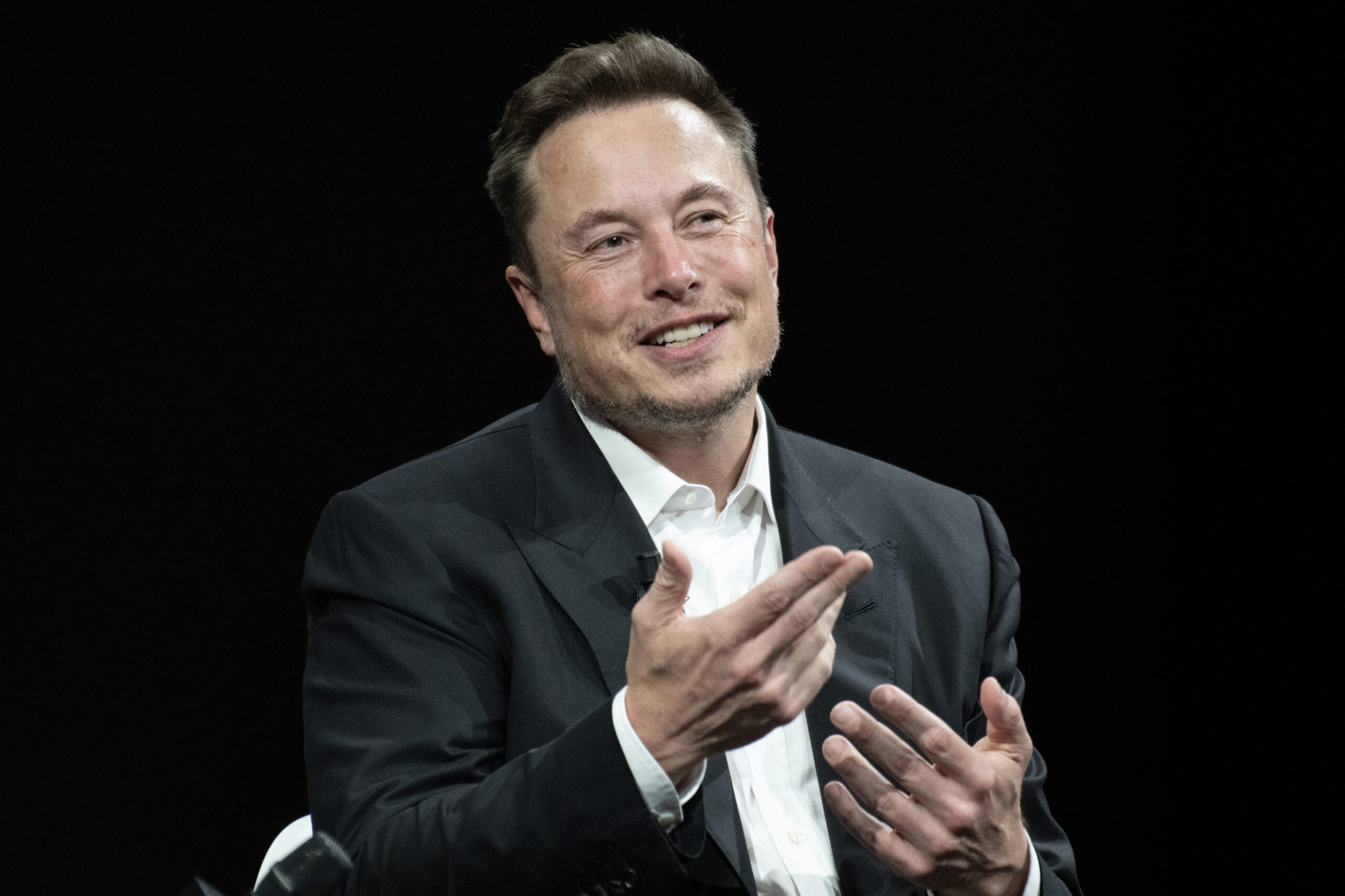
Recently, Elon Musk made headlines by suggesting that “working will be optional” in the future, envisioning a world where AI and automation reduce the need for traditional human labor. It’s a provocative idea that has captured the imagination of executives, futurists, and everyday employees alike. Could we truly reach a point where working is no longer a necessity? And if so, what does that mean for leadership, productivity, and human purpose?
The reality is nuanced. Musk’s vision highlights both exciting opportunities and significant pitfalls. As leaders, it’s critical to separate the hype from actionable insight, understanding how AI, automation, and societal shifts may transform work—and where human contribution will remain essential.
The Case for Optional Work
Musk’s premise is grounded in trends that are undeniable:
- Automation is accelerating: AI and robotics are increasingly capable of handling repetitive, data-driven, and even some decision-making tasks. Factories, warehouses, and even offices are seeing automation replace functions once performed exclusively by humans.
- Productivity gains outpace labor needs: As machines take on more work, fewer humans are required to maintain output. This could theoretically allow societies to produce the same wealth with less human labor.
- Universal income debates gain traction: Some futurists argue that a reduction in required human labor could be paired with universal basic income (UBI), ensuring everyone benefits from technological efficiency, regardless of their traditional employment.
If these trends continue, work may shift from necessity to choice, enabling people to focus on creativity, passion projects, or societal contributions rather than mere survival. Musk’s vision isn’t just science fiction—it’s a roadmap being hinted at by economic and technological trends today.
Why Musk Might Be Right
- Machines can handle routine tasks: Accounting, inventory management, scheduling, and customer service are increasingly automated, freeing humans from repetitive work.
- AI augments decision-making: Predictive analytics, pattern recognition, and workflow optimization allow organizations to operate more efficiently, potentially requiring fewer human hands for operational work.
- Societal evolution favors flexibility: Younger generations are increasingly valuing purpose, flexibility, and work-life integration over traditional career paths. Optional work aligns with these cultural shifts.
In essence, the trajectory toward optional work reflects both technological capability and changing human expectations. Leaders who recognize this trend can strategically position organizations to leverage AI while supporting human growth and engagement.
Why Musk Might Be Wrong
Despite the allure of a world without compulsory work, there are critical reasons this vision is unlikely to unfold seamlessly:
- Human purpose is tied to contribution: Work provides structure, identity, and social connection. Even with financial security, humans often seek purpose through effort, achievement, and collaboration. Removing work entirely risks alienation, boredom, and disengagement.
- Economic realities persist: While AI can replace many tasks, systems still require oversight, innovation, ethical judgment, and adaptation to change. Humans remain essential for problem-solving in dynamic and unpredictable environments.
- Wealth inequality complicates optional work: Automation may create vast efficiencies, but without careful adaptation, these gains could concentrate among the few, leaving many without meaningful income or opportunity.
Optional work, as Musk envisions it, is an aspirational ideal rather than a practical reality—at least in the short to medium term. Leaders must navigate the tension between technological potential and human needs.
The Human Factor in a World of Optional Work
Even as automation grows, the human factor remains central. Musk’s vision underscores the importance of focusing on skills and contributions that machines cannot replicate:
- Creativity and innovation: Machines excel at analysis, but humans excel at imagining new possibilities and connecting disparate ideas.
- Emotional intelligence and empathy: Leadership, coaching, negotiation, and customer care require relational skills AI cannot fully replicate.
- Ethical and strategic judgment: Humans make nuanced decisions in ambiguous situations, balancing competing priorities in ways machines cannot reliably do.
The future of work isn’t about humans versus machines—it’s about humans and machines in partnership. Leaders must anticipate which roles will evolve, which will diminish, and how to upskill teams for meaningful contribution.
Leadership Lessons from the “Optional Work” Debate
Even if Musk’s vision is not fully achievable, it provides several practical takeaways for leaders navigating the future of work:
- Rethink productivity metrics: Moving away from hours logged or physical presence, focus on impact, results, and innovation.
- Embrace flexible work models: Remote, hybrid, or project-based work can empower employees to contribute meaningfully without traditional structures.
- Invest in human development: Encourage continuous learning, creativity, and emotional intelligence, equipping employees to work alongside AI rather than beneath it.
- Foster purpose and engagement: Even as machines handle routine tasks, employees need meaningful work. Leaders must cultivate roles that challenge, inspire, and connect.
- Plan for equity and inclusion: Ensure that gains from AI-driven productivity are shared fairly, creating opportunities for all employees rather than concentrating value among a few.
By proactively addressing these dimensions, leaders can capitalize on AI while preserving the human elements that drive culture, engagement, and innovation.
The Psychological Impact of Optional Work
The notion of optional work also raises important questions about psychological well-being and motivation:
- Autonomy: Humans value choice, and optional work could enhance motivation—but only if individuals are empowered to engage meaningfully rather than feeling forced into aimlessness.
- Competence: Humans thrive when challenged. Even in a world of optional work, leaders must design roles that stretch skills and encourage growth.
- Connection: Work provides social bonds. Optional work models must preserve opportunities for collaboration, mentorship, and community.
Leaders must balance automation and optional work with structures that maintain psychological satisfaction and engagement. Without thoughtful design, the future could yield disengaged, isolated, or unfulfilled employees.
Strategic Steps for Leaders Today
Even if full optional work is decades away, leaders can prepare their organizations now:
- Identify automation opportunities: Streamline repetitive tasks to free human capacity for creative and strategic work.
- Map the human-AI interface: Determine which tasks humans should retain, augment, or delegate to machines.
- Cultivate innovation ecosystems: Encourage experimentation, cross-functional collaboration, and learning from AI-generated insights.
- Redesign performance frameworks: Focus on impact, problem-solving, and innovation rather than traditional metrics like time spent.
- Prioritize purpose-driven roles: Ensure employees have opportunities to engage in work that matters to them and the organization.
These steps help organizations adapt to AI-driven change while safeguarding human value and engagement.
Wrapping It Up: Balancing Optimism with Reality
Musk’s vision of optional work is provocative because it challenges leaders to rethink the purpose of work itself. While the idea may be partially feasible in some sectors, the human desire for connection, purpose, and challenge ensures that work—though evolving—will remain a cornerstone of life for most people.
The takeaway for leaders is clear: AI and automation can dramatically reshape work, but the human factor cannot be ignored. Leaders who succeed in this new era will integrate technology, embrace flexibility, and design work that amplifies human creativity, engagement, and purpose.
Optional work may not be here tomorrow, but the principles Musk highlights—efficiency, innovation, and human-centered design—can transform leadership today. By preparing for a future where some work is optional, leaders can future-proof their organizations, empower employees, and navigate disruption with clarity and resilience.
Work may become more optional—but leadership, empathy, and human ingenuity will always be essential.
