

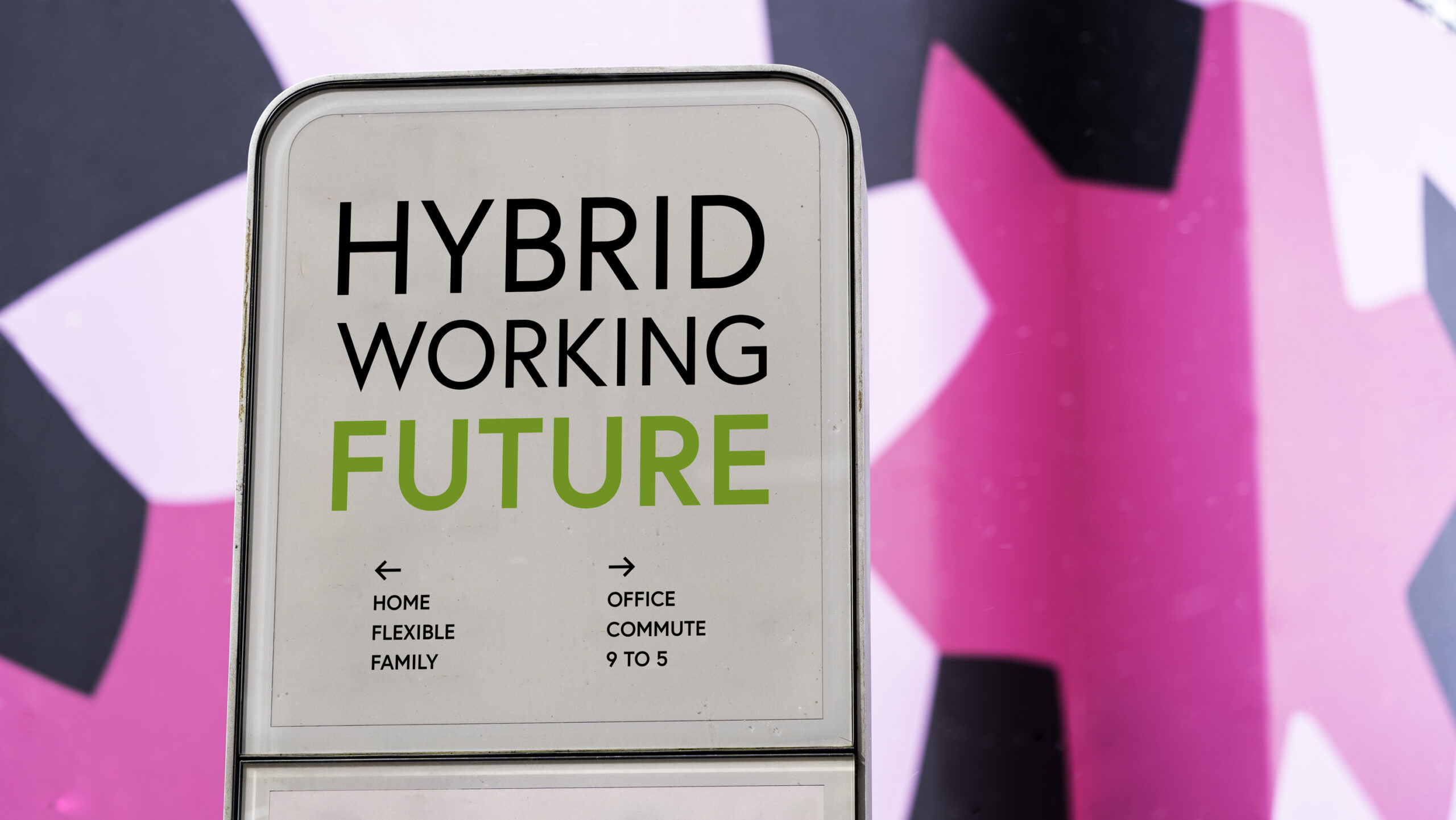
The workplace has changed. The traditional 9-to-5 office, once the default mode of collaboration, is no longer the norm. Hybrid work—part in-office, part remote—has become the reality for millions of employees, yet most organizations are still grappling with how to design teams that thrive amid uncertainty.
The hybrid model offers flexibility, access to wider talent pools, and potential for increased productivity. But it also introduces complexity: miscommunication, uneven engagement, and the risk of fractured team culture. Designing effective hybrid teams requires intentionality, strategic structure, and a human-centered approach that balances technology, autonomy, and collaboration.
This isn’t about creating a rigid framework—it’s about preparing teams to adapt, connect, and perform in a landscape where the only constant is change.
Understanding the Hybrid Unknown
Hybrid work presents two intersecting challenges: geographic dispersion and unpredictable schedules. Teams may have members scattered across time zones, working different hours, or splitting weeks between home and office.
Leaders must recognize that traditional management approaches—based on visibility, presence, and synchronous workflows—no longer suffice. The hybrid unknown requires a new mindset:
- Flexibility without compromise: Teams need adaptable processes that respect individual schedules while maintaining cohesion.
- Trust over surveillance: Productivity can no longer be measured by physical presence; leaders must focus on outcomes and accountability.
- Intentional connection: Without organic office interactions, social bonds and culture must be actively nurtured.
Designing for the hybrid unknown is about creating structure that enables autonomy while fostering collaboration.
Prioritizing Team Clarity and Roles
In hybrid environments, ambiguity is a productivity killer. Teams must have clear roles, responsibilities, and expectations. Consider these practices:
- Define responsibilities explicitly: Document who owns what, including decision-making authority and accountability for outcomes.
- Establish norms for communication: Clarify preferred tools, response expectations, and meeting cadence.
- Align goals and objectives: Ensure each team member understands not just their tasks but how they contribute to broader organizational goals.
Clarity reduces friction, prevents duplication of effort, and ensures team members feel empowered rather than lost in the hybrid landscape.
Communication: Intentional and Inclusive
Communication is the lifeblood of hybrid teams. But it requires a more deliberate approach than in traditional office settings. Leaders must create processes that ensure:
- Inclusivity in meetings: Hybrid meetings often favor those physically present. Rotate facilitators, encourage remote participation, and ensure that decisions are documented and accessible.
- Structured asynchronous updates: Use tools like project boards, shared documents, and regular status updates to keep everyone aligned, even when schedules don’t overlap.
- Feedback loops: Regularly solicit input from all team members to ensure concerns, ideas, and updates are heard and acted upon.
Intentional communication bridges the gap between remote and in-office team members, building trust and cohesion.
Fostering Connection and Culture
One of the biggest risks in hybrid teams is fragmented culture. Without consistent interaction, employees can feel isolated, undervalued, or disconnected from team purpose. Leaders must intentionally cultivate connection:
- Create rituals for team bonding: Even brief weekly check-ins or shared virtual coffee breaks build rapport.
- Celebrate milestones collectively: Recognize achievements, birthdays, or project completions across both remote and in-office channels.
- Encourage informal interaction: Slack channels, group chats, or cross-functional “watercooler” spaces support social bonding.
Connection fuels engagement, collaboration, and loyalty, which are especially critical in a hybrid unknown.
Leveraging Technology Thoughtfully
Technology is the backbone of hybrid work—but it can also overwhelm teams if poorly implemented. Leaders must balance innovation with simplicity:
- Choose tools that reduce friction: Video conferencing, messaging platforms, and project management tools should integrate seamlessly with workflows.
- Train for adoption: Provide guidance and support to ensure all team members can use tools effectively.
- Avoid tool overload: Too many platforms create confusion and burnout; prioritize efficiency over novelty.
Technology should enable, not dictate, the hybrid experience. It should support collaboration, visibility, and productivity without sacrificing human connection.
Measuring Performance Beyond Presence
In hybrid teams, traditional metrics like hours logged or “face time” lose relevance. Leaders must shift focus from activity to outcomes:
- Define measurable objectives: Clearly articulate what success looks like for each role and project.
- Track progress transparently: Use dashboards, project boards, or shared updates to make contributions visible without micromanaging.
- Regular performance conversations: Discuss development, barriers, and achievements consistently, emphasizing results and growth rather than activity.
Outcome-focused measurement ensures fairness, accountability, and engagement, while also respecting flexibility.
Embracing Agility and Continuous Learning
The hybrid unknown is constantly evolving. Teams and leaders must adapt rapidly:
- Experiment with processes: Test different meeting cadences, workflows, or collaboration tools, and refine based on feedback.
- Encourage curiosity and feedback: Create an environment where employees feel safe to propose changes or suggest improvements.
- Monitor trends: Stay informed on best practices and innovations in hybrid work to remain competitive.
Agility ensures teams are resilient and forward-looking, capable of thriving amid uncertainty rather than merely reacting.
Leading with Empathy and Trust
Hybrid work amplifies the need for empathetic leadership. Employees experience varying home environments, personal obligations, and mental load. Leaders who demonstrate empathy:
- Acknowledge challenges openly: Recognize that flexibility may be required for caregiving, mental health, or logistical constraints.
- Tailor support individually: Offer coaching, mentorship, or resources based on specific team member needs.
- Model balance: Show that leadership values boundaries, rest, and well-being—not just output.
Empathy builds trust, loyalty, and engagement—essential ingredients for high-performing hybrid teams.
Redefining Leadership in the Hybrid Unknown
Traditional leadership—defined by visibility, authority, and physical presence—needs a reset in hybrid environments. Key elements of effective hybrid leadership include:
- Facilitative mindset: Leaders become enablers of collaboration, rather than gatekeepers of information.
- Decentralized decision-making: Empower teams to make decisions within clear boundaries, building autonomy and accountability.
- Resilient communication: Leaders must proactively manage connection, clarity, and feedback across dispersed teams.
- Culture stewardship: Maintaining cohesion, shared values, and recognition requires intentionality, not assumption.
Hybrid leadership is about adaptation, foresight, and people-first practices. It requires both structure and flexibility, combining clarity with compassion.
Wrapping It Up: Designing for Adaptability
Designing teams for the hybrid unknown is a strategic imperative, not a temporary experiment. Success depends on the intentional integration of structure, communication, culture, technology, and human connection. Leaders who thrive in this space:
- Define clarity around roles, responsibilities, and expectations
- Foster inclusive and intentional communication
- Invest in culture, connection, and engagement
- Leverage technology to enable collaboration rather than complicate it
- Focus on outcomes over presence, accountability over activity
- Model empathy, trust, and resilience
Hybrid work will continue to evolve, bringing both opportunity and uncertainty. Teams designed for adaptability, clarity, and connection will not only survive—they will thrive in the unknown, driving performance, engagement, and innovation even amid unpredictable conditions.
Leadership in the hybrid era isn’t about controlling the environment—it’s about designing teams that can succeed despite the unknown, balancing human factors with technological enablement and adaptive processes. Those who embrace this approach gain a decisive advantage in both retention and performance.
